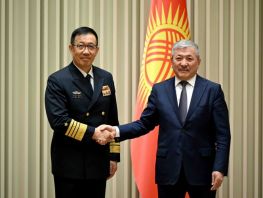


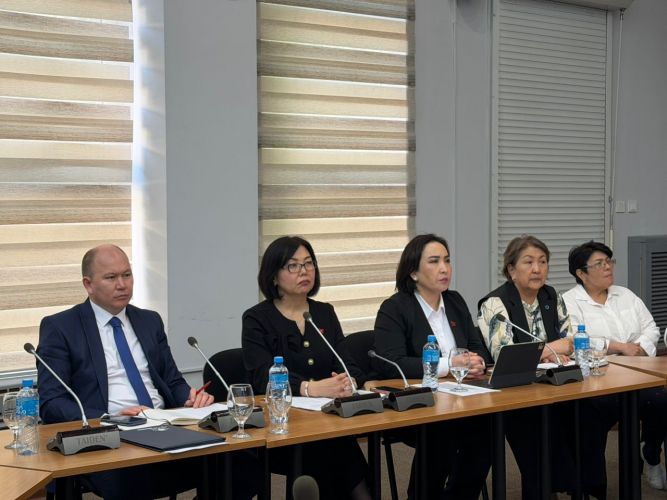
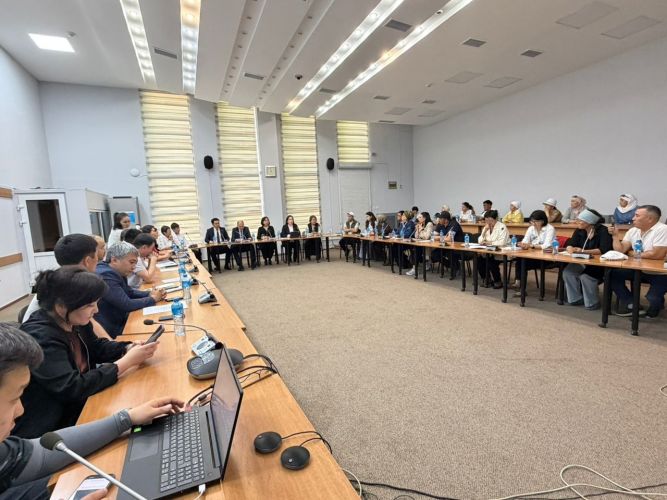
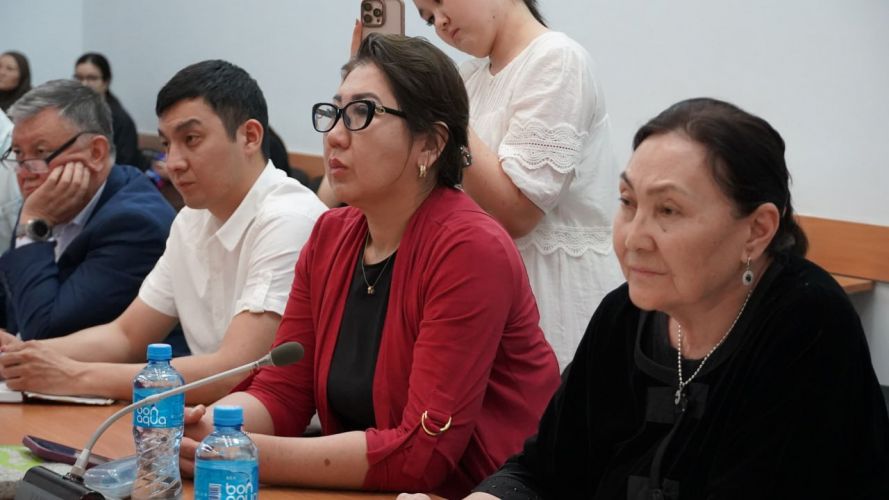
A working meeting was held at the Ministry of Health of the Kyrgyz Republic. Deputy Minister Bakytbek Kadyraliev, members of the Zhogorku Kenesh (Parliament) Zhyldyz Egemberdieva and Zhyldyz Kurmanalieva, Ambassador Extraordinary and Plenipotentiary of Kyrgyzstan to India and concurrently to Sri Lanka Askar Beshimov, as well as doctors, representatives of specialized organizations, and patient communities, were among the participants.
The main topic of discussion was the development of liver transplantation, as well as the provision of medical care to patients with liver cirrhosis caused by chronic viral hepatitis B, C, and D, as well as to patients following liver and kidney transplantation.
Particular attention was paid to preoperative preparation, laboratory diagnostics, and postoperative patient monitoring, including drug therapy and management of potential complications. The need to update clinical protocols, implement modern treatment methods, and develop clinical trials was also discussed.
Meeting participants emphasized the importance of training specialized specialists, including hepatologists, and the feasibility of creating specialized hepatology centers.
Among other issues, the meeting participants addressed concerns patients face when seeking treatment abroad. Askar Beshimov noted that some patients face difficulties choosing medical organizations and receiving support throughout their treatment. In this regard, it was proposed to consider concluding memoranda of cooperation between medical organizations of the Kyrgyz Republic and foreign clinics, including in the field of transplantology, which will systematize interactions, ensure the exchange of experience, and improve the quality of medical care.
Representatives of patient communities identified a number of pressing issues, including the need to improve records and statistics on chronic viral hepatitis, increase treatment accessibility, and strengthen post-transplant patient monitoring.
Following the meeting, an agreement was reached on further joint collaboration between the Ministry of Health, parliamentary representatives, and the expert community to work out solutions aimed at developing transplant care and improving the quality of medical care for patients.