


The active phase of construction of one of largest infrastructure projects in recent decades — Barskoon—Bedel road — has started in Kyrgyzstan. The project, discussed for nearly 30 years, is now being implemented as part of the country’s new transport architecture.
The road is expected to become a direct transport corridor linking Kyrgyzstan with China and integrating the country into Central Asia’s international logistics network.
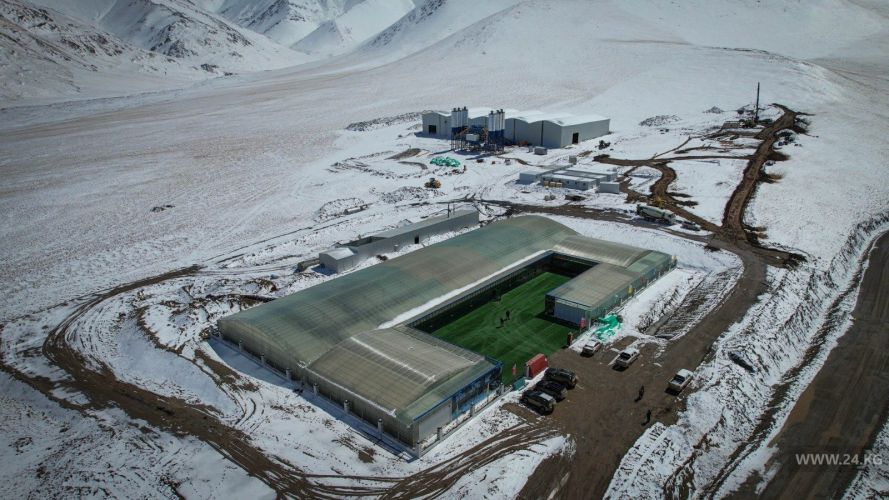
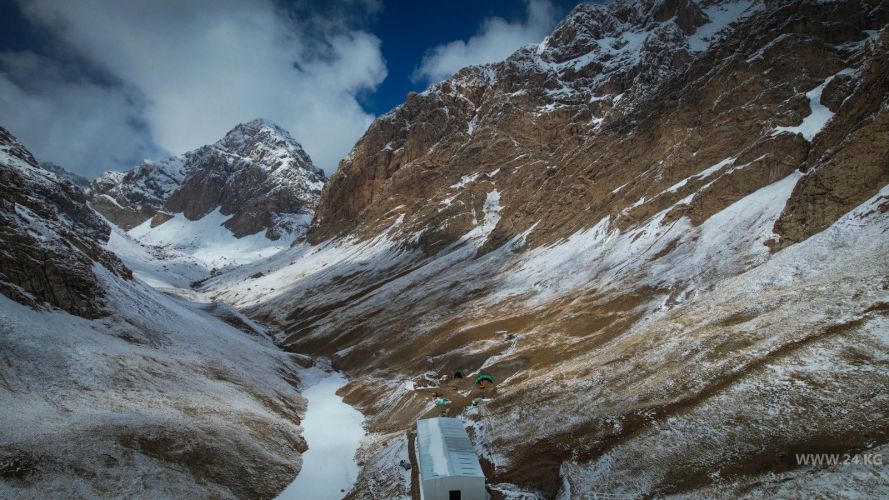
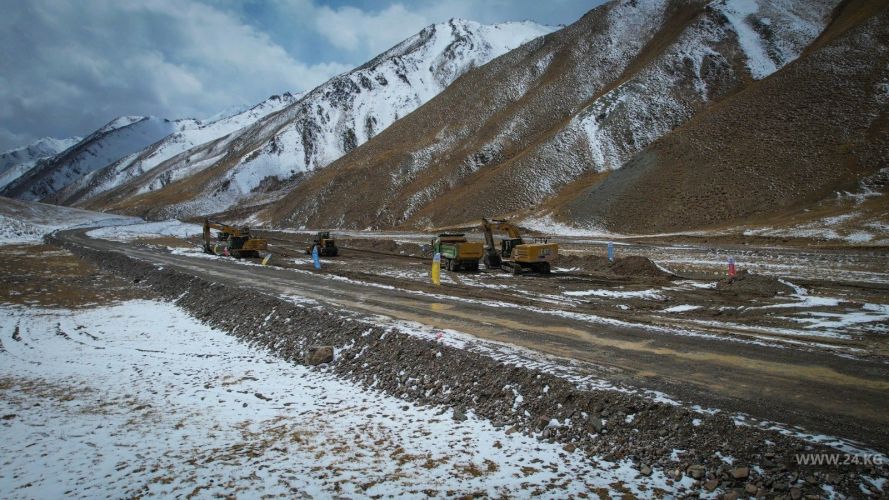
The project is being implemented by order of the Ministry of Transport and Communications, with contractor China Road and Bridge Corporation.
Construction began in August 2025 with the participation of President Sadyr Japarov, and completion is scheduled for 2030–2031. The highway will stretch 161 kilometers and feature two lanes with a width of 12 meters.
The project includes major engineering works. It provides for the construction of 50 bridges with a total length of more than 2.7 kilometers, as well as two tunnels exceeding 9 kilometers in combined length.
One of the key structures is a bridge in the village of Barskoon, which is set to become the highest in the country, reaching nearly 80 meters in height.

The route will pass through challenging mountainous terrain, including Barskoon, Sook, and Ashuu-Suu passes, as well as Sary-Moynok serpentine at an altitude of 3,442 meters.
Construction is already underway at full pace. More than 500 workers and over 200 pieces of equipment are currently involved, with plans to increase the workforce to 2,500 specialists and more than 600 units of machinery.
Tunnel construction is among the most complex stages. Work is being carried out using drill-and-blast methods from both sides simultaneously to speed up progress. So far, more than 120 meters have been completed.
The project faces extreme conditions, including high altitudes, rugged terrain, and temperatures dropping to — 40°C. To support operations, a full on-site infrastructure has been deployed, including base camps, residential units, medical points, and production facilities.
Concrete plants and crushing complexes are also being established along the route to supply construction materials directly on site.
A key feature of the project is the parallel design approach, where design and construction are carried out simultaneously, allowing for faster implementation and flexibility in adapting to terrain conditions.
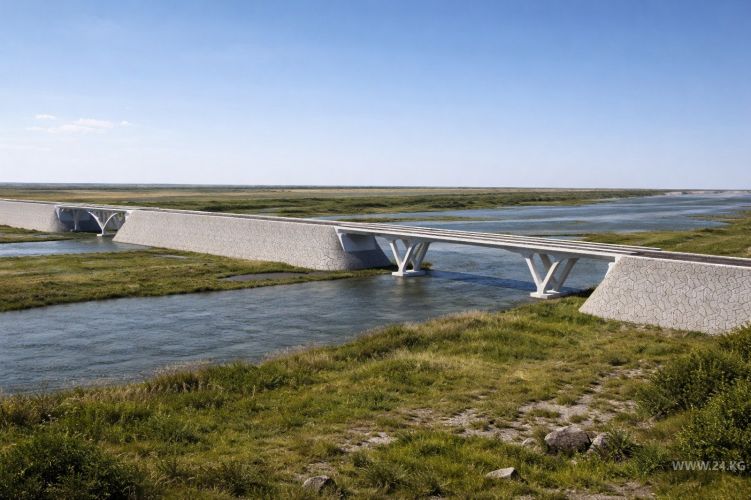

The new road is expected to shorten the route by approximately 500 kilometers and reduce travel time by up to 12 hours.
Authorities emphasize that this is not just a new road but a strategic project aimed at transforming national logistics, reducing transport costs, and creating new economic opportunities.
In effect, the Barskoon—Bedel road is seen as a new transport artery that could restore Kyrgyzstan’s role as a regional transit hub and become part of a modern Silk Road.