


The Cabinet of Ministers of Kyrgyzstan has submitted for public discussion a draft resolution approving an official list of municipal solid waste types. The document is intended to clearly define, for the first time, which categories of waste fall under municipal responsibility and must be collected, transported, sorted, and processed within the local waste management system.
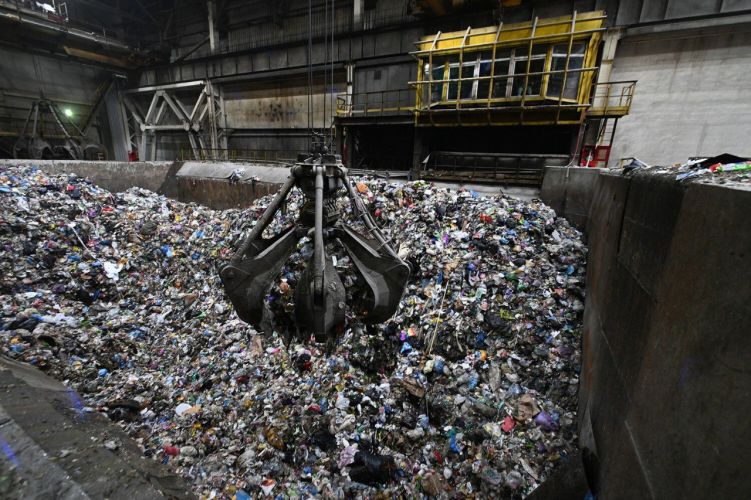
The proposed list includes food waste, leaves and plant residues, personal hygiene waste, household garbage from bins and street containers, construction waste from minor home repairs, old furniture and household appliances, plastics, polyethylene, paper, cardboard, glass, textiles, metal scrap, packaging such as Tetra Pak, street sweepings, ash and slag from household heating systems.
The government says the initiative is necessary due to rapidly growing waste volumes. According to the National Statistical Committee, 1.17 million tons of household waste were collected in Kyrgyzstan in 2020, while by 2025 the figure had increased to 1.76 million tons.
This means that each resident of the country now generates about 255 kilograms of waste per year.
According to the draft’s developers, the lack of an approved classification list creates difficulties for municipalities and utility services. These include challenges in calculating waste collection tariffs, organizing separate waste collection, developing recycling infrastructure, and determining responsibility for different types of waste.
Officials expect that the approval of the list will help separate municipal waste from industrial and hazardous waste, improve sorting and recycling efficiency, and reduce the number of illegal dumps.