
Uzbekistan presents initiatives at UNESCO to study Central Asian heritage
An international conference «Islamic Civilization: The Great Spiritual and Scientific Heritage of Transoxiana and the Horizons of Enlightenment» was held at UNESCO headquarters in Paris. The event brought together more than 300 representatives of international organizations, diplomatic missions, universities and research centers.
Firdavs Abdukhalikov, director of the Center of Islamic Civilization in Uzbekistan and chairman of the World Society for the Study, Preservation and Popularization of the Cultural Legacy of Uzbekistan (WOSCU), presented President Shavkat Mirziyoyev's initiatives to promote Central Asia's scientific and spiritual heritage internationally.
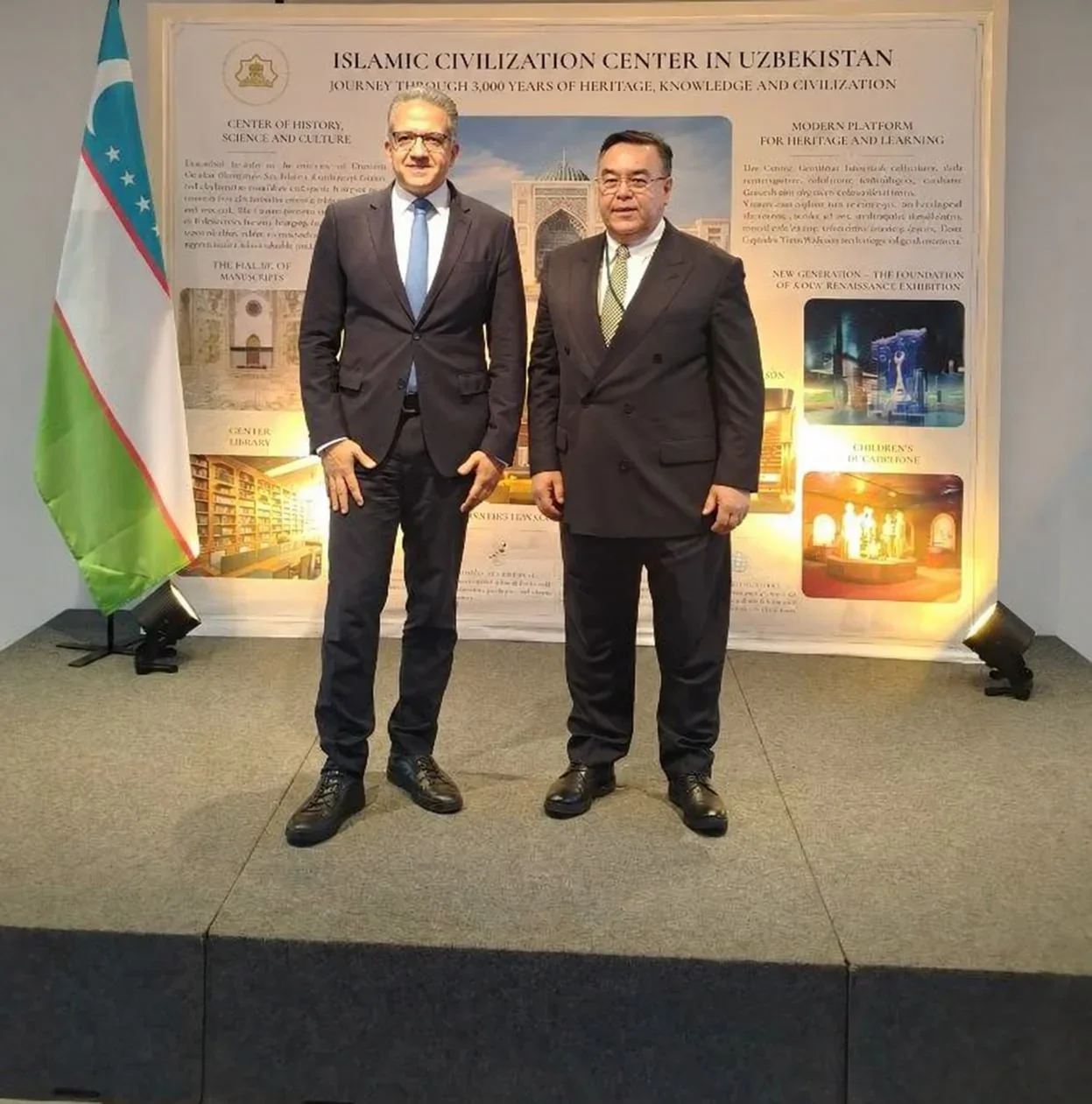
Particular attention was paid to digitizing historical sources, using artificial intelligence to study ancient manuscripts, establishing international research projects and expanding access to the region's cultural heritage.
The initiative builds on the agenda presented by the Uzbek president at the 80th session of the UN General Assembly in September 2025. Its goal is to strengthen cooperation among countries, research institutions and international organizations.
"Our task is not only to tell the world about the outstanding thinkers of the past, but also to open up new opportunities for joint research, manuscript digitization, the use of artificial intelligence and the training of a new generation of scholars,” Abdukhalikov said.
The Center of Islamic Civilization in Tashkent plays an important role in these efforts by combining museum, research and educational activities. Its objectives include preserving historical sources, developing research projects and promoting international cooperation.
The organizers noted that the heritage of Transoxiana, associated with such prominent thinkers as Imam al-Bukhari, Imam al-Tirmidhi and Imam al-Maturidi, remains of considerable interest to contemporary researchers.
The Paris conference was part of Uzbekistan's efforts to expand international scientific dialogue. Future cooperation is expected to include the development of digital platforms, joint research projects and educational programs aimed at preserving and promoting Central Asia's intellectual heritage.


