
Hungarian scientists discover alarming changes in Kyrgyzstan's mountains
Hungarian scientists have discovered significant changes in Kyrgyzstan’s mountains over the past 120 years. A comparison of historical photographs with modern images revealed that snowfields near the high-altitude Kel-Tor Lake have disappeared completely and the water level has dropped by at least two meters. The University of Szeged reported the findings following a scientific expedition to Central Asia.
In September 2026, an international research team led by Professor Péter Szilassi retraced the routes of renowned Hungarian geographer Gyula Prinz, who explored the Tien Shan in 1906 and 1909. The researchers compared his photographs, maps and panoramic drawings with the current state of the mountain landscapes.
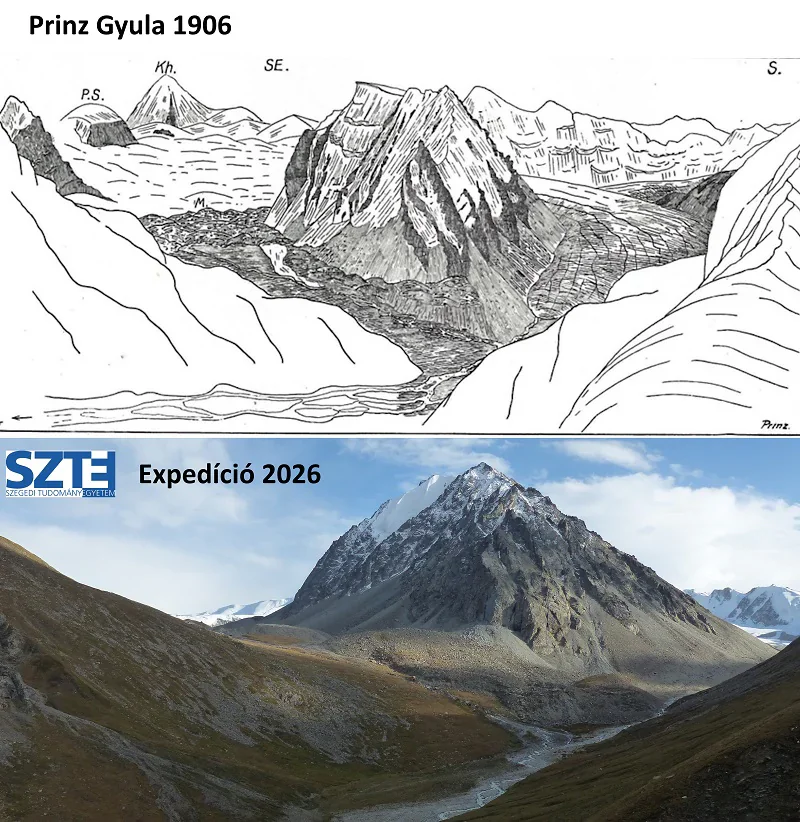
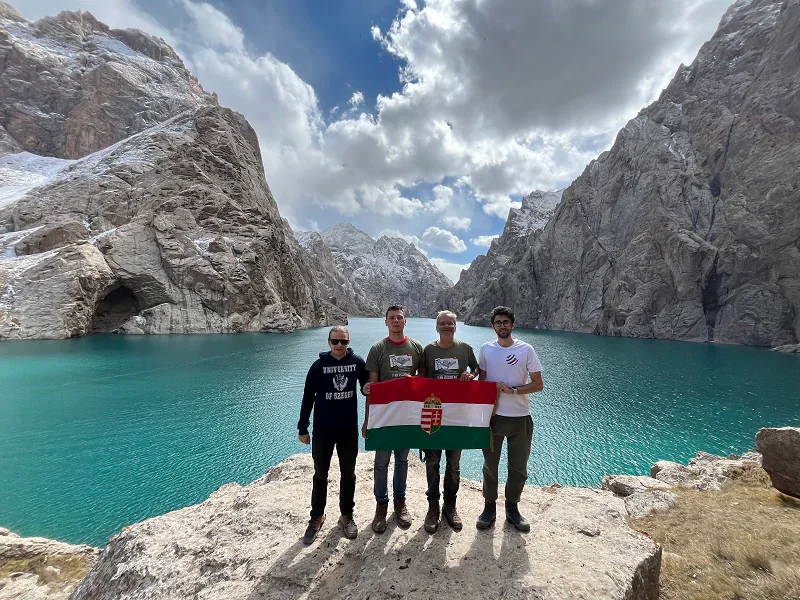
One of the main sites studied was Kel-Tor Lake, located at an altitude of 3,080 meters. Prinz discovered the lake in September 1909 and named it Lake Lilli after his wife. After 117 years, Hungarian researchers returned to the site and documented substantial changes to the natural landscape.
The team paid particular attention to the glaciers of the Tien Shan. A comparison of a historical drawing of the Ashutor Glacier with modern photographs showed a significant loss of ice mass.
To assess the changes, the researchers used historical maps from 1906, Soviet military maps from the 1970s, satellite imagery, drone surveys and modern field measurements.
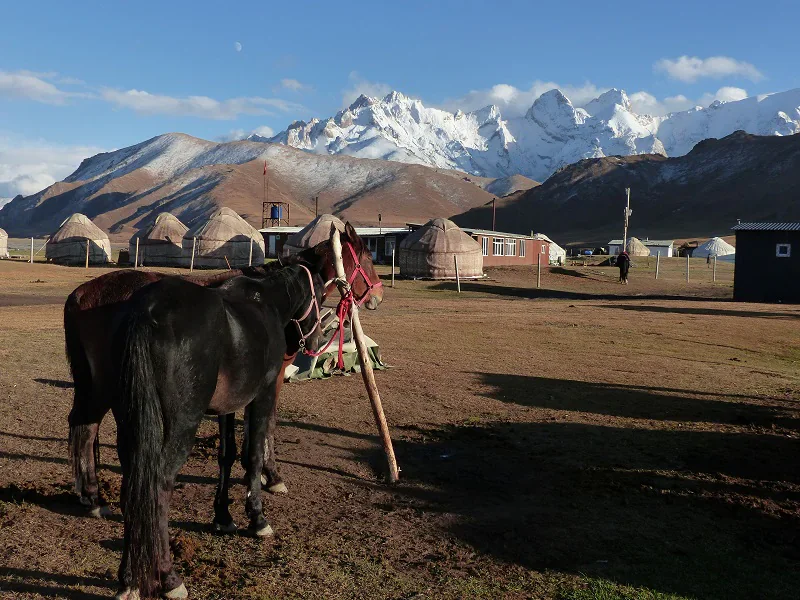
The scientists also examined changes in water use in Kyrgyzstan. In the vicinity of Osh, they found that centuries-old irrigation canals are gradually being replaced by modern water supply systems. At the same time, providing water for a growing population is becoming increasingly important alongside agricultural irrigation.
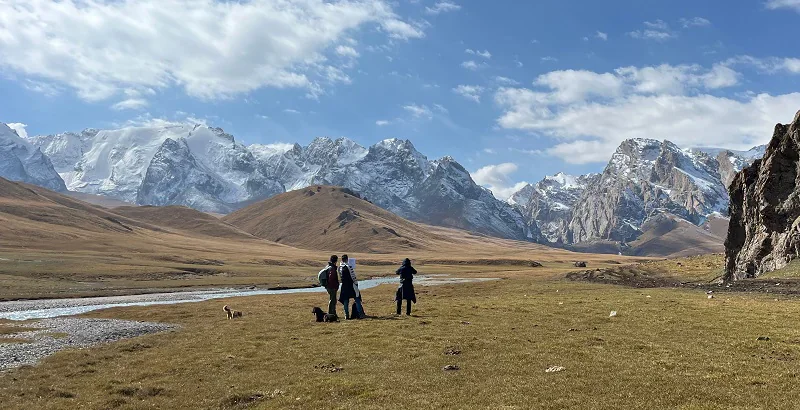
The expedition also visited remote areas of the Tien Shan. In the Sary-Dzhaz River valley, the researchers had to cover 37 kilometers on horseback because some parts of the terrain remain virtually inaccessible to vehicles.
According to the researchers, glacier retreat, the expansion of mining and infrastructure development have significantly altered the region’s natural environment.
The scientists emphasized that Central Asia’s glaciers play a crucial role in supplying water to between 80 million and 100 million people. The water is also used for agricultural irrigation and electricity generation.
The findings will help assess the rate of glacier retreat and could be used to develop long-term water management strategies.
During the expedition, the Hungarian specialists also met with representatives of Kyrgyzstan’s scientific institutions, including the National Academy of Sciences. The parties agreed to prepare a Russian-language edition of Gyula Prinz’s book My Travels in Inner Asia, published in 1911.
The full results of the expedition are scheduled to be presented at the University of Szeged in Hungary on October 20, 2026.


