
Second phase of underwater archaeological expedition held in Issyk-Kul region
The second phase of fieldwork by an international underwater archaeological expedition was carried out at Issyk-Kul Lake in September 2026. Valery Kolchenko, a research fellow at the Institute of History, Archaeology and Ethnology of the National Academy of Sciences of the Kyrgyz Republic, said.
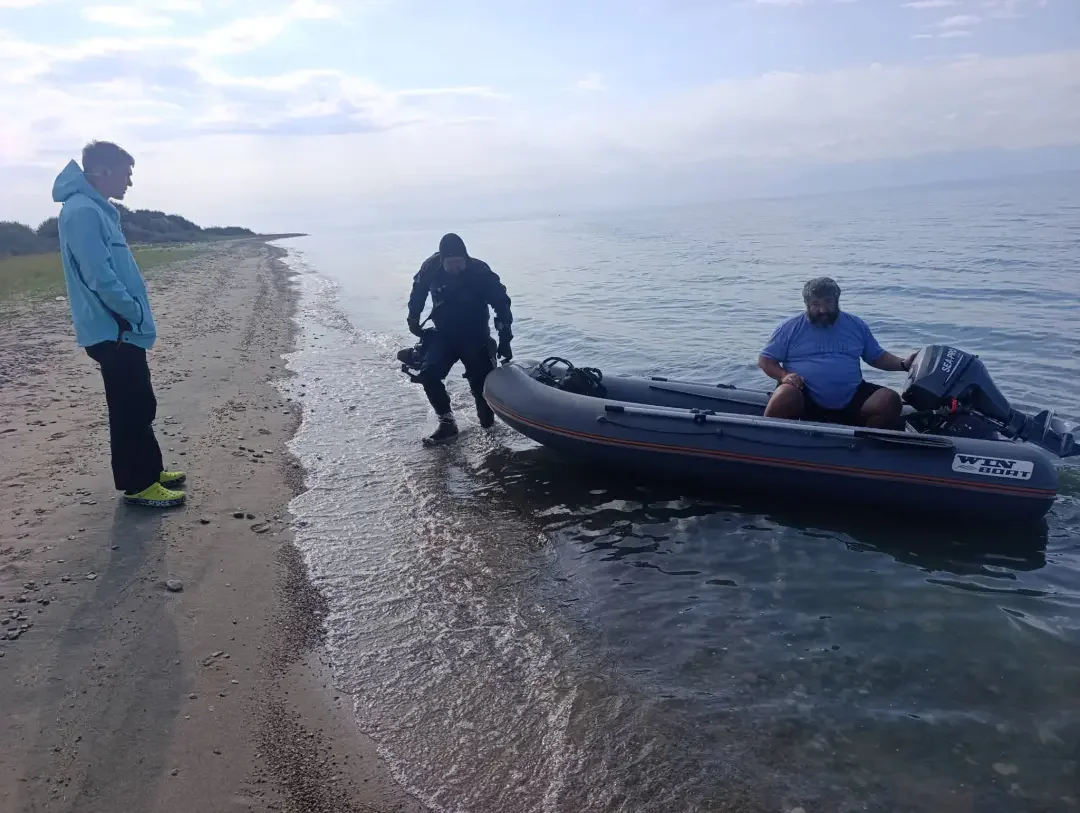
According to him, the main work was conducted underwater and in the area around Toru-Aigyr village. The team also carried out exploratory trips to potential underwater sites along the eastern part of the lake’s shoreline.
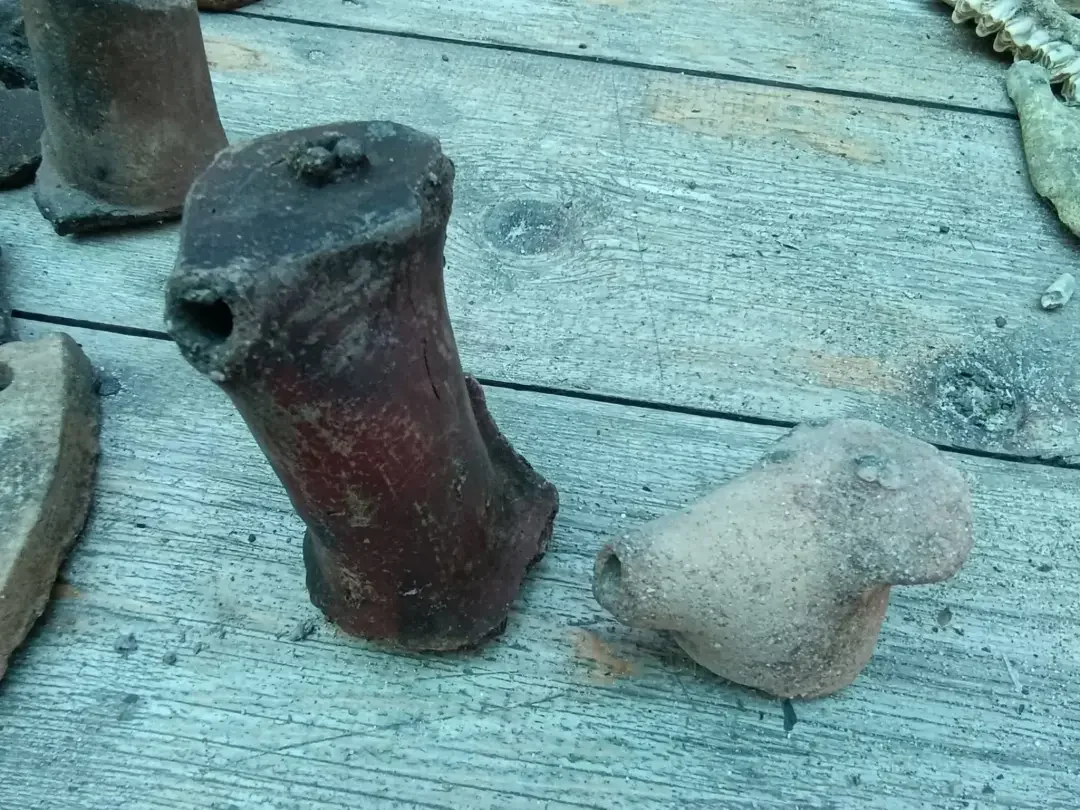
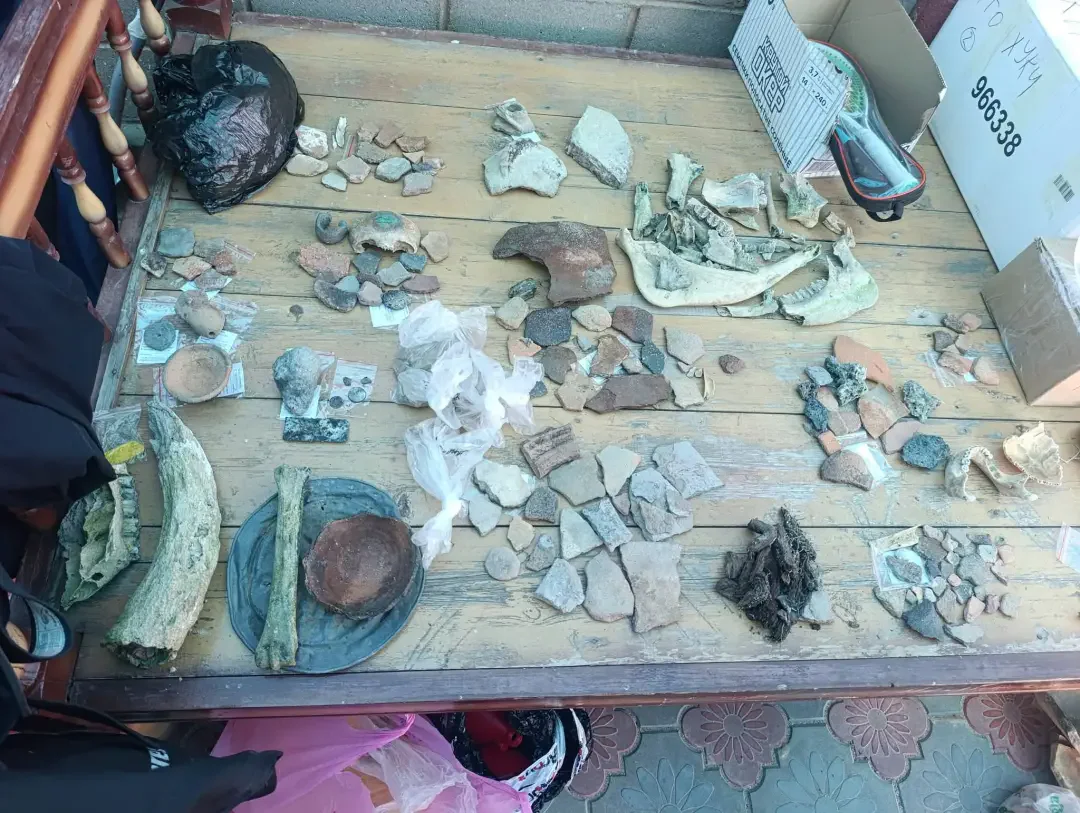
"The main task of this phase of the research was to survey the surface of the coastal lakebed and collect samples from the cultural layer underwater. The work has been completed. How successful it was will be determined by the analysis of the field materials we obtained. We hope for good results. Underwater, the divers continued planned photographic surveys of the sites to create photogrammetric images and collected the most interesting artifacts. We believe the season at Issyk-Kul was successful and has brought us significantly closer to completing a monograph on our archaeological site,” Kolchenko said.
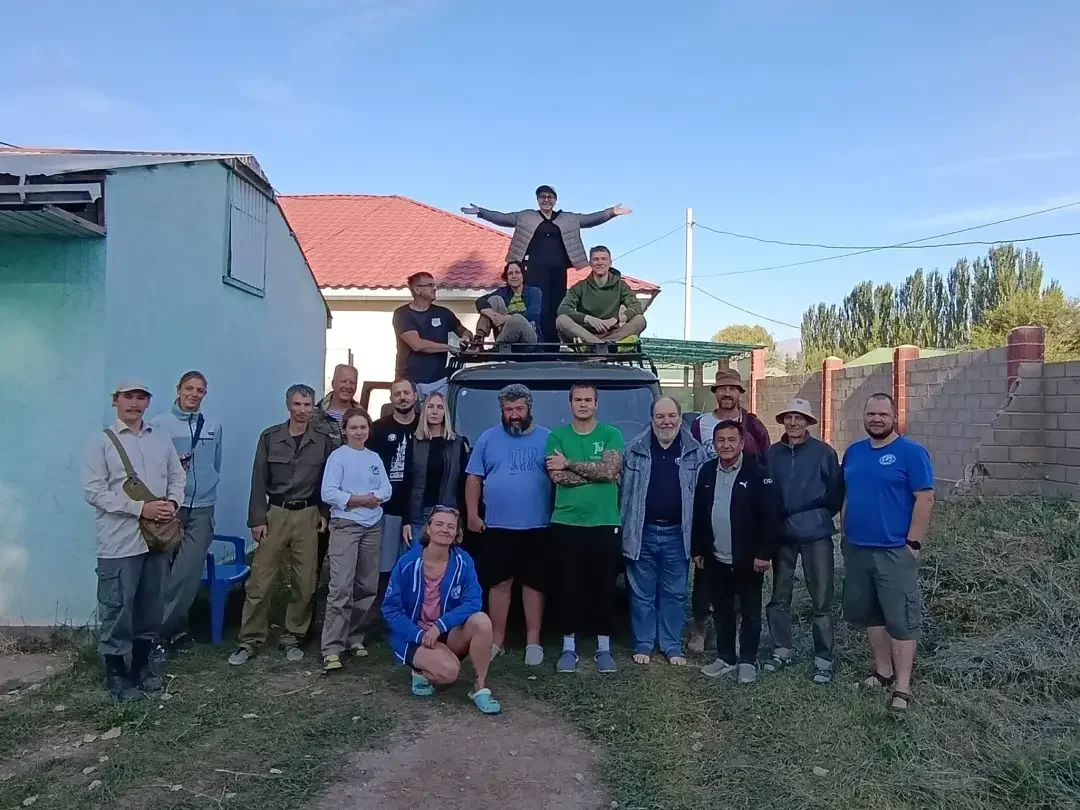
The expedition was organized by the Institute of History, Archaeology and Ethnology of the National Academy of Sciences of the Kyrgyz Republic, the Institute of Archaeology of the Russian Academy of Sciences and the Russian Geographical Society.
The first phase of the fieldwork was conducted in summer 2026.
In 2025, the expedition was also conducted in two phases — in July and from September to early October. The underwater archaeological research focuses on the submerged Toru-Aigyr archaeological complex in the northwestern waters of Issyk-Kul Lake. The main site is a large settlement that existed at least from the 10th to the 13th centuries and was submerged in the 15th century.


