
Funding for pediatric oncology in Kyrgyzstan increased 200-fold — Aigul Japarova
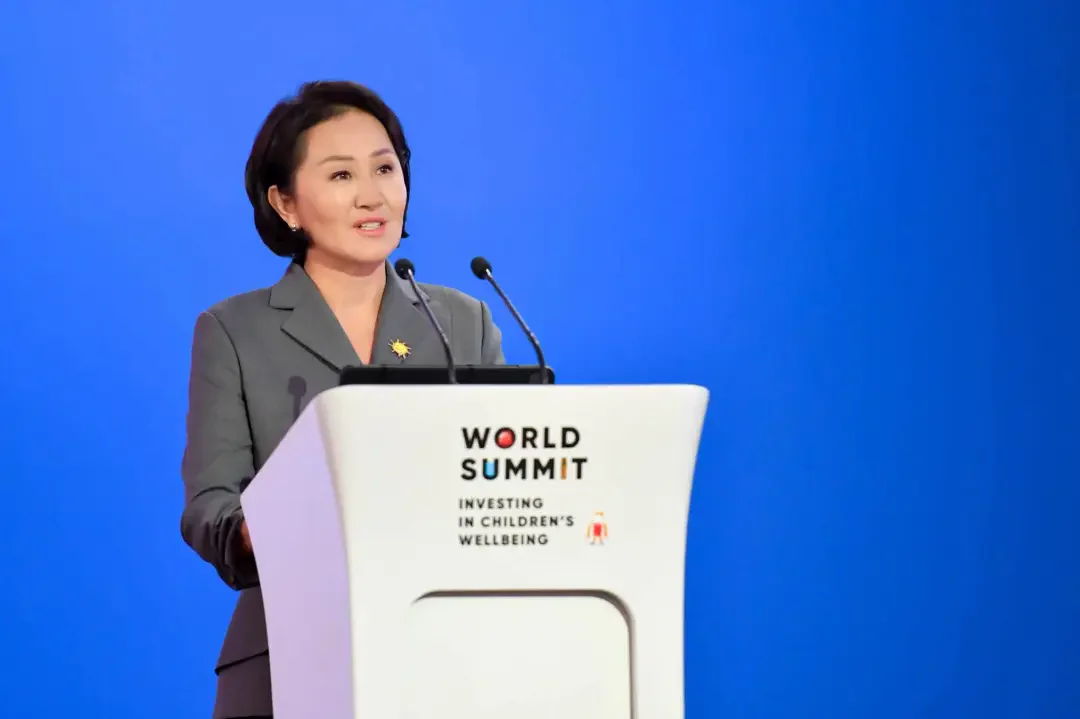
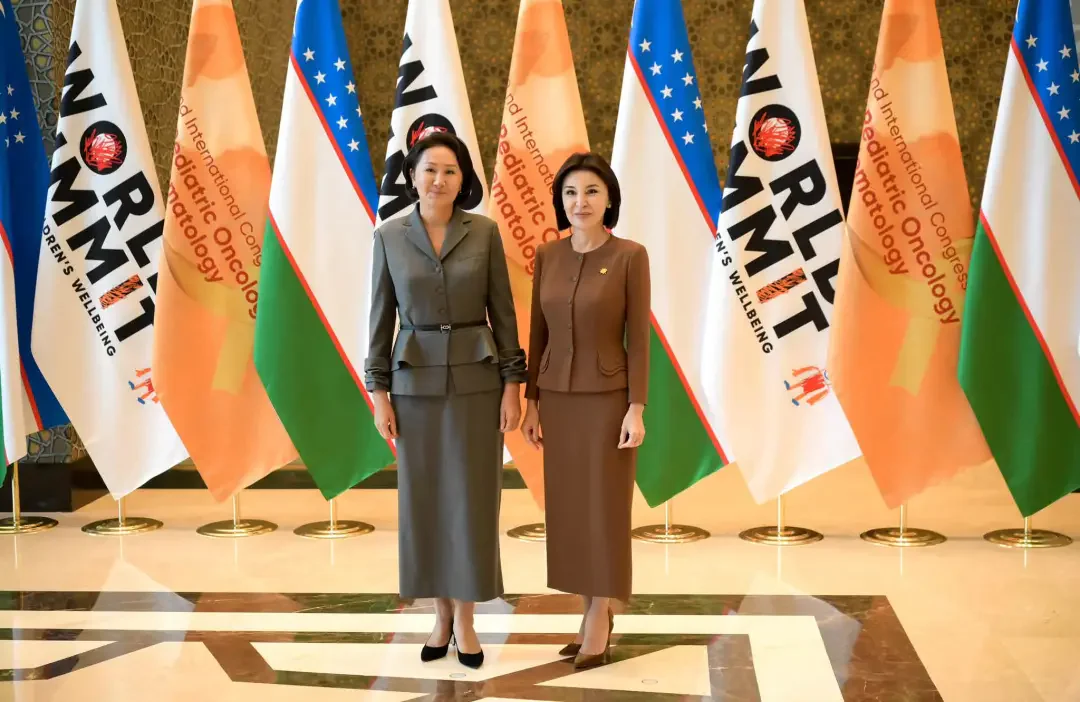
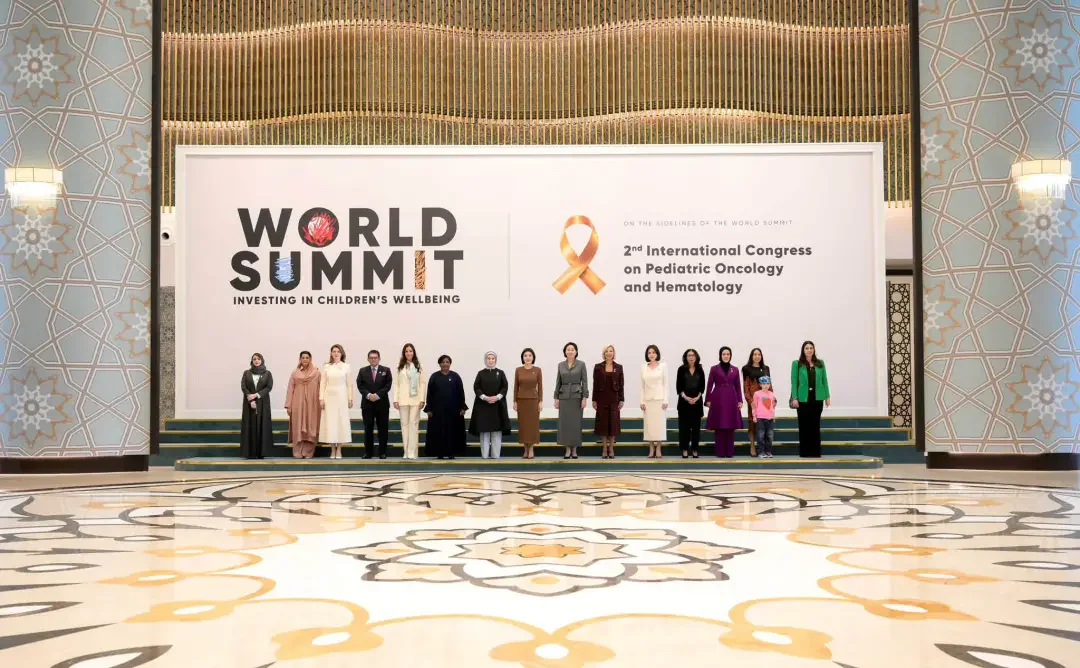
First Lady of Kyrgyzstan Aigul Japarova took part in the World Summit on Investing in Children’s Well-Being and the Second International Congress on Childhood Cancer in Samarkand, Uzbekistan.
According to the presidential administration, in her welcoming speech, Aigul Japarova said the meeting was particularly important to her.
«I would like to focus on an issue that is especially close to my heart and causes me deep concern: providing effective care for children with cancer. Just over a decade ago, pediatric oncology and related medical care in Kyrgyzstan were severely limited, and, frankly, the problem ultimately came down to funding. In recent years, this area has received particular attention, much has changed, and the situation has begun to improve.
Funding for pediatric oncology has increased 200-fold.
For Kyrgyzstan, what matters is not the amount of money allocated, but the tangible changes these investments make possible. Today, opportunities to treat children with cancer are expanding in Bishkek and Osh, modern diagnostic and treatment facilities are being developed, and children are receiving the medicines they need, ” she said.
The First Lady also emphasized that the opening of a palliative care unit at the National Center for Maternal and Child Welfare was an important step in supporting children with cancer and giving their parents hope. One of Kyrgyzstan’s most significant achievements in this field was the first bone marrow transplant performed in the country in 2024.
In her speech, Aigul Japarova noted that despite ongoing efforts to combat cancer, the challenges facing the international community remained acute.
Around 400,000 children worldwide are diagnosed with cancer every year.
"Unfortunately, a child’s chances of recovery depend largely on the country in which they are born. In high-income countries, more than 80 percent of children with cancer recover. In low- and middle-income countries, the figure remains significantly lower. Behind these statistics lie challenges related to timely and accurate diagnosis, access to essential medicines and modern treatments, professional training for doctors, and families’ ability to ensure their children complete the full course of treatment,” the First Lady said.
She stressed that strengthening cooperation among countries in pediatric oncology should be a key priority. Dialogue must lead to concrete joint initiatives and practical solutions.
"First and foremost, we need to expand the exchange of experience, strengthen cooperation between medical institutions in our countries, and pool our efforts to train specialists and improve their qualifications. It is equally important to jointly develop new support mechanisms for families forced to seek treatment for their children at medical institutions abroad.
Our people have a wise saying: ‘A burden shared becomes lighter.’ Indeed, what poses significant challenges for one country becomes much more achievable when we join forces and work together,” Aigul Japarova added.
She also recalled that the World Health Organization’s global initiative aims to ensure that at least 60 percent of children with cancer worldwide survive by 2030.
"I believe Central Asia can make a significant contribution to achieving this goal and set an example of effective regional cooperation in saving children’s lives. Every child, regardless of where they were born or where they live, has the right to timely medical care and quality treatment. I firmly believe that, through joint efforts, we can turn this opportunity into reality,” the First Lady concluded.
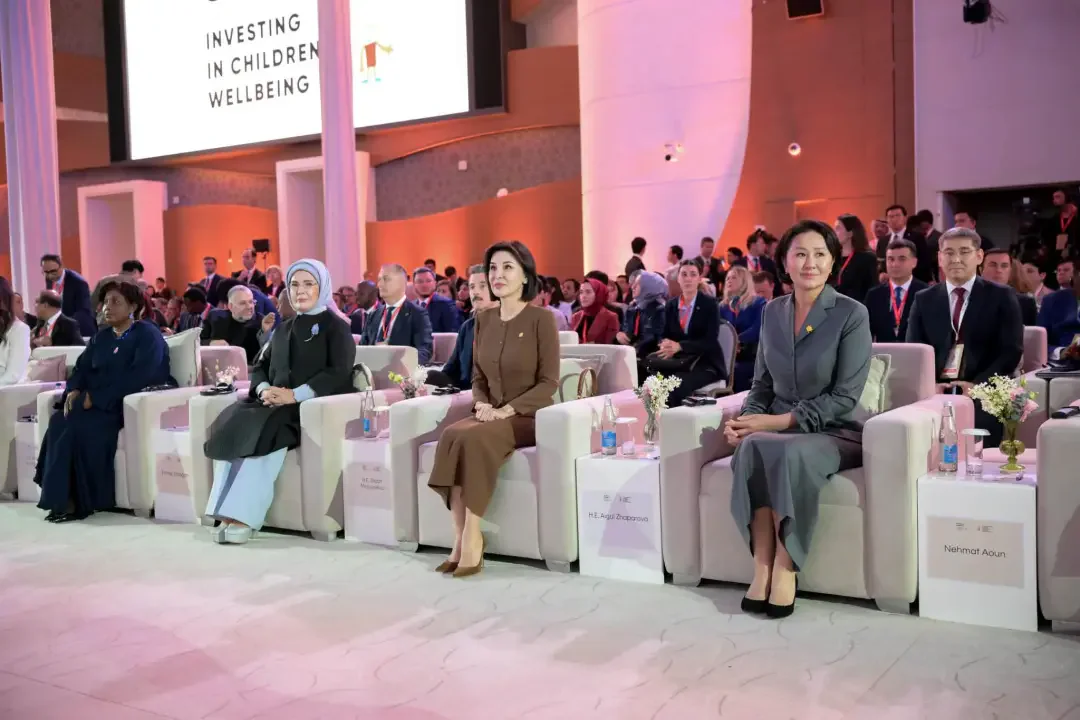
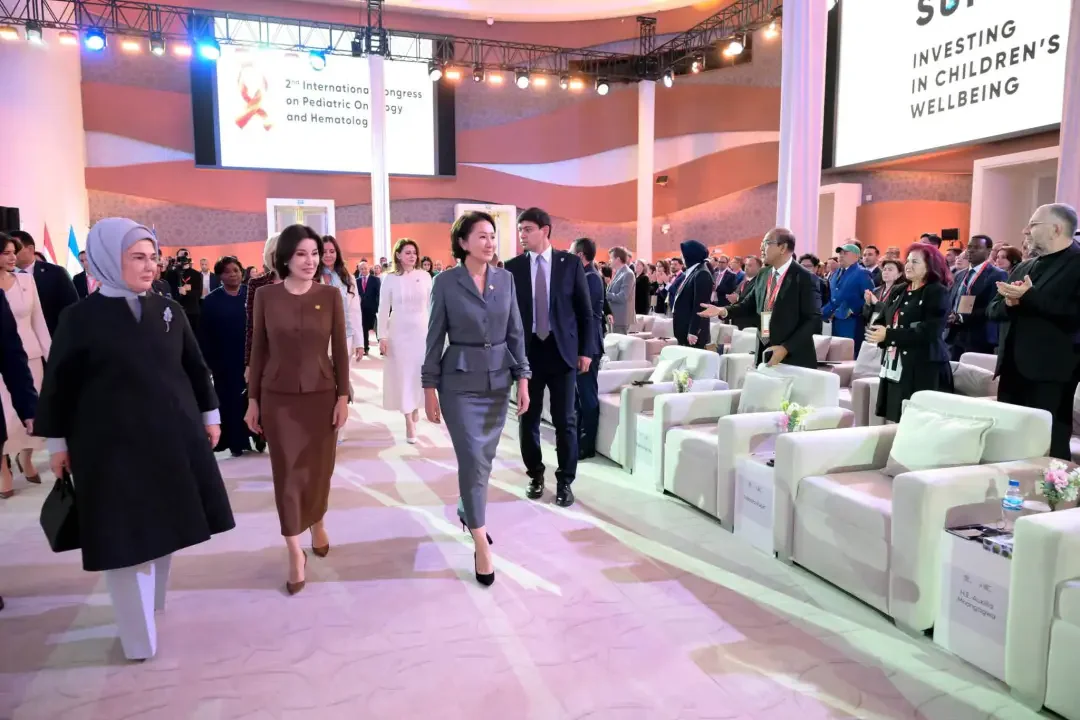
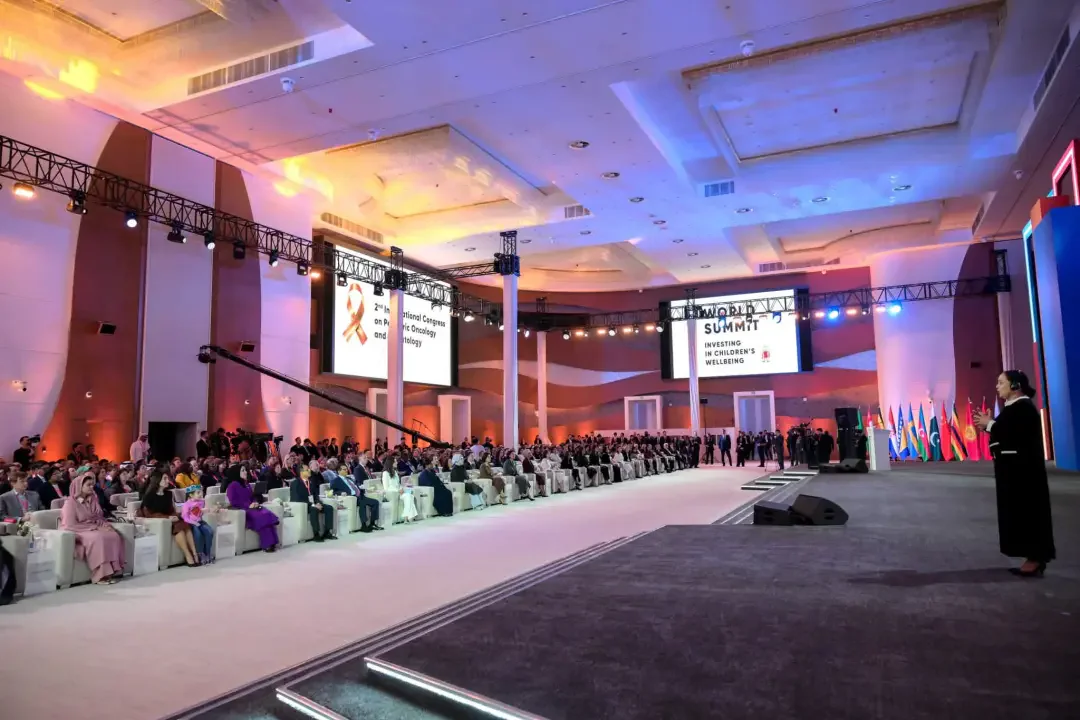
The event was also attended by the First Ladies of Uzbekistan, Albania, Zimbabwe, Lebanon, Pakistan and Turkey. Representatives of governments and heads of state, international organizations, leading experts and specialists from more than 100 countries also took part in the summit to discuss key issues related to children’s well-being, health, education, protection and social support.
The summit is expected to conclude with the adoption of the Samarkand Declaration on Investing in Children’s Well-Being, which will call for concrete action and stronger international cooperation.


