
Number of court cases on child support, domestic violence on rise in Kyrgyzstan
The number of court cases related to the collection of child support and domestic violence is increasing in Kyrgyzstan.
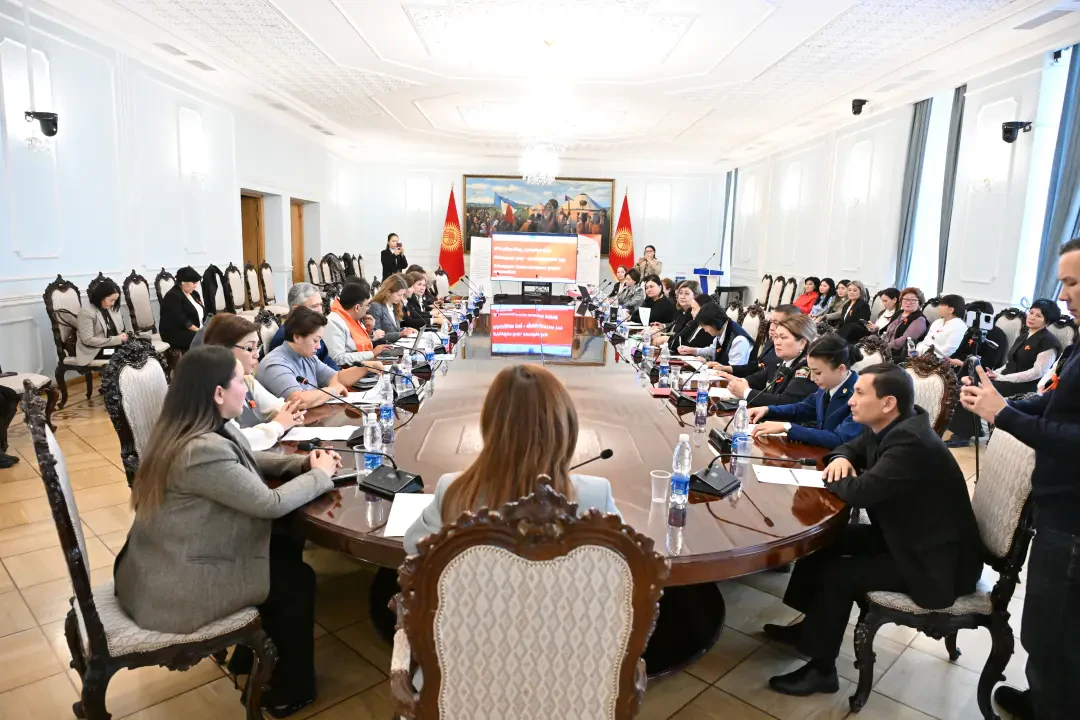
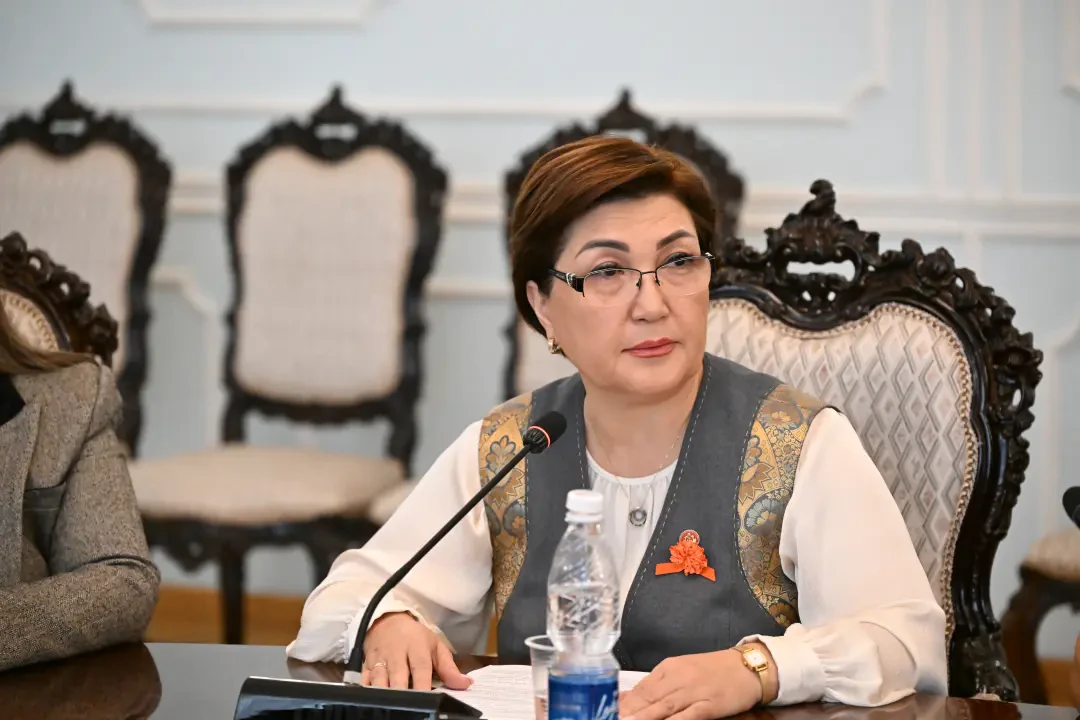
During the first nine months of 2026, courts received 10,141 cases and filings concerning child support. For comparison, 9,504 such cases were recorded throughout 2025. This was announced on November 25 by Nurgul Bakirova, Deputy Chair of the Supreme Court, during a roundtable discussion at the Zhogorku Kenesh (Parliament) focused on the protection of the rights of women and children.
In her remarks, Nurgul Bakirova emphasized that the protection of the rights of women and children serves as a key indicator of a state’s legal and social development. The judicial system plays a pivotal role in restoring violated rights and ensuring justice.
According to her, access to justice entails not only the ability to file a case in court but also ensuring that citizens are legally informed, have access to qualified legal counsel, and can pursue the protection of their rights in a safe environment.
She noted that special attention must be paid to interests of the child—taking into account their age and psychological characteristics—while ensuring that minors are not subjected to further psychological trauma.
“Domestic violence cannot be viewed as a private family matter. It is a violation of human rights that infringes upon an individual’s life, health, freedom, and dignity,” Bakirova stated.
According to the data she presented, local courts handled 1,003 criminal cases related to domestic violence in 2025. In the first nine months of 2026, this figure reached 1,080.
In 2025, 357 criminal cases involving violence against children were considered, while 295 such cases were handled during the first nine months of 2026.
The Deputy Chair of the Supreme Court emphasized the need to strengthen preventive efforts, improve mechanisms for protecting victims, and enhance the effectiveness of coordination among state agencies.
In her view, combating violence requires not only legal measures but also the cultivation of a societal intolerance toward any form of such violence.
Among the priority areas, Bakirova highlighted the importance of improving public legal literacy, intensifying awareness-raising campaigns, fostering respect for human rights and dignity among the youth, and building a culture of equality.


