
From Development Cooperation to Comprehensive Partnership: Korea and Kyrgyzstan
In recent years, relations between the Republic of Korea and the Kyrgyz Republic have reached a qualitatively new level. In December 2024, the two countries elevated their bilateral relations to a «comprehensive partnership,» reflecting the expansion of cooperation from development assistance and people-to-people exchanges to trade, investment, digital transformation, climate action and other mutually beneficial areas.
Bilateral cooperation
Kyrgyzstan is one of Korea’s key partners in its Central Asia policy, Ambassador Kim Kwangjae noted in an interview with 24.kg news agency.
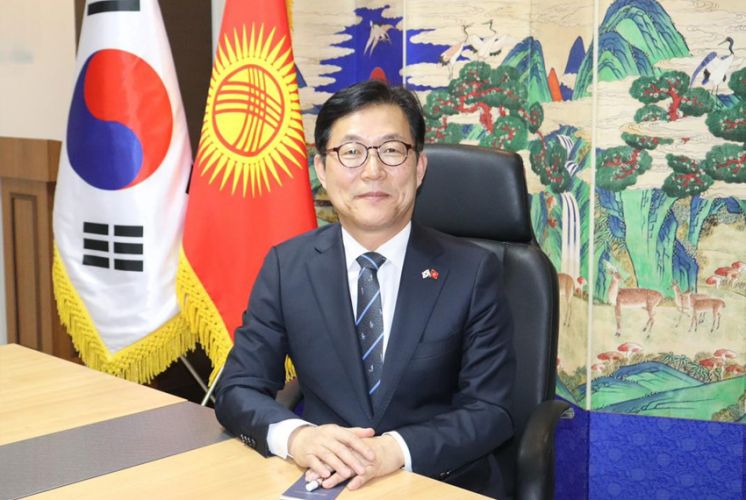
According to the Ambassador, Kyrgyzstan’s location in the heart of Central Asia and its membership in the EAEU give it significant potential to connect regional markets.
«Furthermore, the country boasts abundant water resources and substantial hydroelectric power potential, as well as mineral resources and a young population. This creates extensive opportunities for mutually beneficial cooperation with the Republic of Korea, which possesses advanced digital technologies, industrialization expertise, and great potential in the fields of education and human resource development,» the diplomat said.
Ambassador Kim Kwangjae highlighted several promising areas for cooperation with the Kyrgyz Republic:
- Maintaining high-level exchanges and strengthening intergovernmental and interparliamentary cooperation;
- Expanding and diversifying trade and investment and facilitating market access for companies from both countries;
- Developing mutually beneficial cooperation in hydropower, renewable energy, energy efficiency and critical minerals;
- Deepening cooperation in digital government, healthcare, agriculture, rural development, environmental protection and climate action;
- Strengthening people-centred cooperation through education, Korean-language learning, culture, tourism and safe, orderly and regular labour mobility.
KOICA — a bridge between Korea and Kyrgyzstan
The Korea International Cooperation Agency (KOICA)—established in 1991 to implement the Republic of Korea’s grant-aid programmes and promote international cooperation—operates an office in the Kyrgyz Republic.
According to KOICA, it has provided a cumulative total of $118.75 million in grant assistance to the Kyrgyz Republic since its establishment.
13 projects have been completed, and 13 are currently underway.
Over the years, 1,642 volunteers from Korea have worked in Kyrgyzstan, while 1,203 Kyrgyz nationals have undergone training in Korea.
KOICA implements projects across various sectors in Kyrgyzstan. The key areas of cooperation are:
- digital public administration;
- inclusive and sustainable rural development;
- a safe, healthy and environmentally clean society.
Lim Soyeon, Country Director of the KOICA Office in the Kyrgyz Republic, noted that when selecting projects, KOICA does not make unilateral decisions, but considers their necessity based on official requests from the Kyrgyz government and national development priorities.
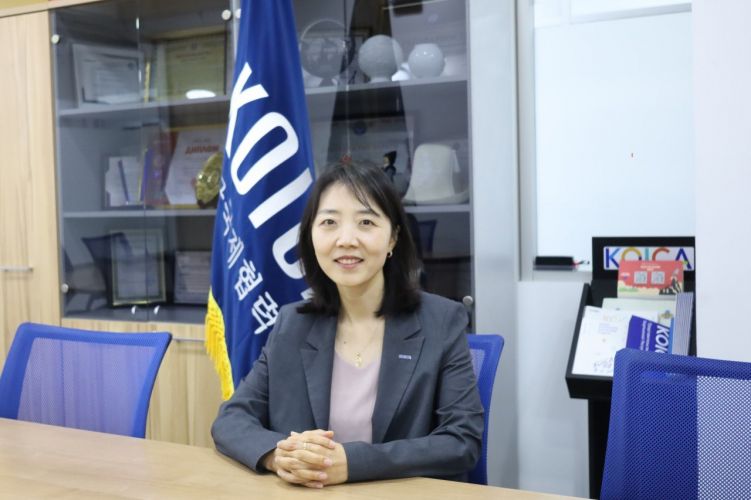
Specific projects, such as in the digitalization field, include modernization of the «Tunduk» system, automation of the electoral process, and digitalization of the Zhogorku Kenesh. These initiatives drew upon the experience of South Korea, a global leader in e-government.
«Of course, it wouldn’t be entirely accurate to say that KOICA implemented ‘Tunduk’; digital transformation in Kyrgyzstan is a national policy driven by the government. We have assisted in implementing specific components of ’Tunduk’ at the government’s request. I would highlight the production of ID cards as the digitalization project the most outstanding for citizens; we helped develop the system for issuing these documents. The initial batches of ID cards featuring electronic chips were produced in Korea. I see that the Kyrgyz government is committed to advancing digitalization, so I believe we will see other projects in this area,» the country director explained.
Beyond the implementation phase, the post-project period is also crucial. Lim Soyeon noted that KOICA continuously monitors project progress alongside its partners—Kyrgyz government agencies. These agencies are responsible for evaluating the work and tracking the project’s effectiveness.
«After a certain period, we conduct a follow-up assessment to verify whether the project is continuing and to evaluate its effectiveness. To date, all our projects have proceeded well; fortunately, there have been no instances where projects ceased operations after the implementation phase. This factor, among others, strengthens our cooperation with the government of Kyrgyzstan, and we are ready to continue working together. Of course, things do not always go smoothly—we sometimes identify shortcomings—but these are not critical and can be rectified through additional training and recommendations,» Lim Soyeon said.
The Country Director of KOICA’s Office in the Kyrgyz Republic has served in the country for two and a half years and has been actively involved in the «Integrated Rural Development Project» — an initiative that has been underway for more than a decade and is currently implemented in the south of the country.
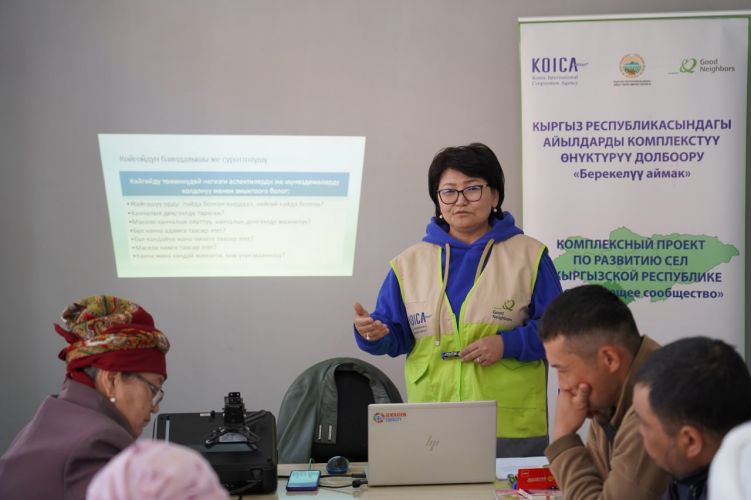
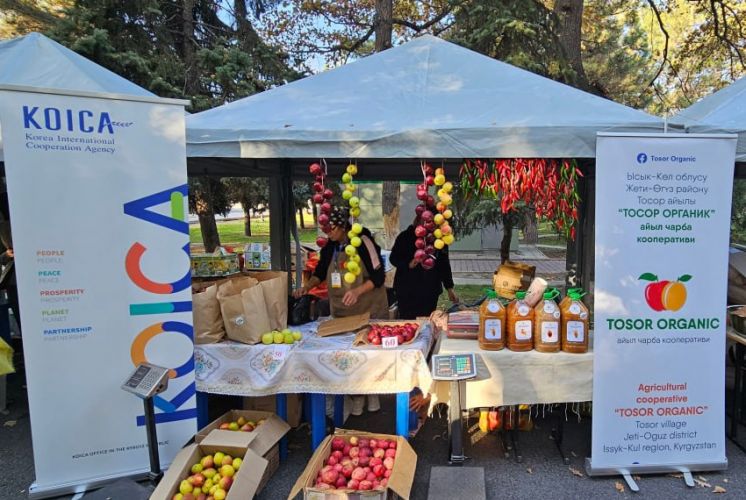
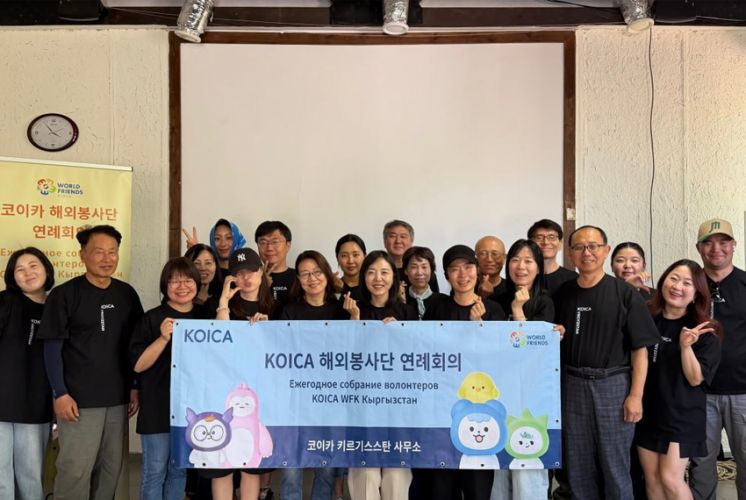
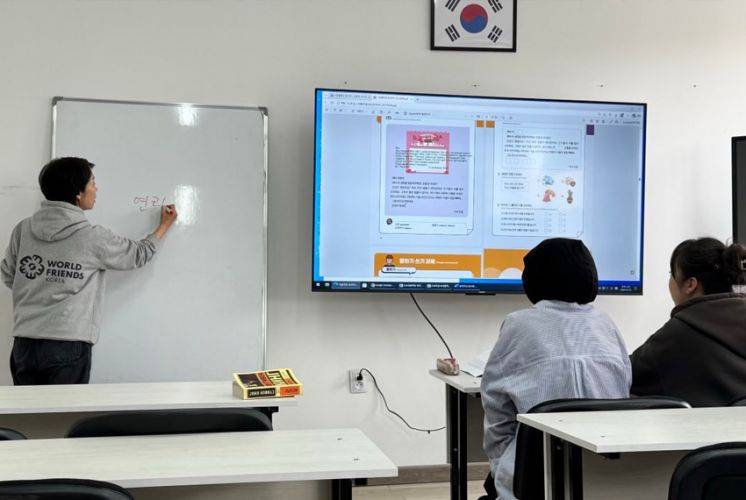
Within KOICA’s activities, volunteers from Korea arrive in Kyrgyzstan every year to teach the Korean language to children; meanwhile, under the CIAT scholarship program, Kyrgyz civil servants study at Korean universities and undergo professional development, subsequently applying the knowledge they have gained in their home country.
I believe our organization makes a significant contribution to the development of the partnership between our two nations. We will continue striving to ensure our projects benefit Kyrgyzstan.
Lim Soyeon
Kim Kwangjae, the Ambassador of the Republic of Korea to the Kyrgyz Republic, notes that the importance of Korean development cooperation lies not only in providing infrastructure or equipment, but also in simultaneously developing institutions, technologies and human potential.
«We do not seek to be a donor who provides unilateral assistance, but a partner who shares its development experience and jointly seeks solutions. The trust and human ties formed in this process are one of the most solid assets of bilateral relations,» the Ambassador said.
Comprehensive partnership and summit
In December 2024, President of the Kyrgyz Republic Sadyr Japarov paid an official visit to the Republic of Korea. During the visit, the two countries elevated their bilateral relations to a «comprehensive partnership.»
The two countries signed a number of documents, and the agreements reached during the visit are now being implemented. The first meetings of the Korea—Kyrgyzstan Joint Committee on Climate Change and the Korea—Kyrgyzstan Trade and Investment Cooperation Committee were held in June 2026.
The EDCF (Economic Development and Cooperation Fund) is working on cooperation in the field of health infrastructure, transport and public safety, including feasibility studies and implementation of relevant procedures for individual projects.
The Ambassador noted that the governments of the two countries use various intergovernmental cooperation mechanisms to regularly monitor the implementation of the agreements.
The inaugural Korea—Central Asia Summit is scheduled to be held in Seoul on 16–17 September 2026.
«This event is of historic significance, as it marks the first time the heads of state of the Republic of Korea and the five Central Asian nations will gather together. We anticipate that the summit will help establish regular high-level dialogue and create a more systematic link between existing cooperation mechanisms—connecting Korea and Central Asia—and sectoral ministerial-level meetings. Furthermore, we hope the summit will define shared long-term directions for cooperation and implementation mechanisms, while also identifying specific projects that can align the needs of Central Asian countries with the Republic of Korea’s technology and expertise,» Kim Kwangjae said.
Bilateral trade expanded significantly in 2025, driven largely by exports of motor vehicles from Korea.
The diplomat noted that demand for Korean-made vehicles and consumer goods would remain a positive factor in 2026, but emphasized that the primary objective is not merely to increase trade volume, but to diversify the trade structure and expand exports from Kyrgyzstan to Korea.
Human capital and the development of cultural and humanitarian ties
Relations between Kyrgyzstan and the Republic of Korea are built not only at the intergovernmental level, but also on the basis of communication, friendship and cooperation between ordinary people.
The Republic of Korea is becoming a popular destination for citizens of Kyrgyzstan seeking employment abroad, and the relevant authorities in both countries are expanding job opportunities by administering additional professional assessments and specialized exams.
In addition, there is a growing interest among tourists from both countries, reflecting the deepening ties between the two republics. Direct flights have already been launched between Bishkek and Seoul.
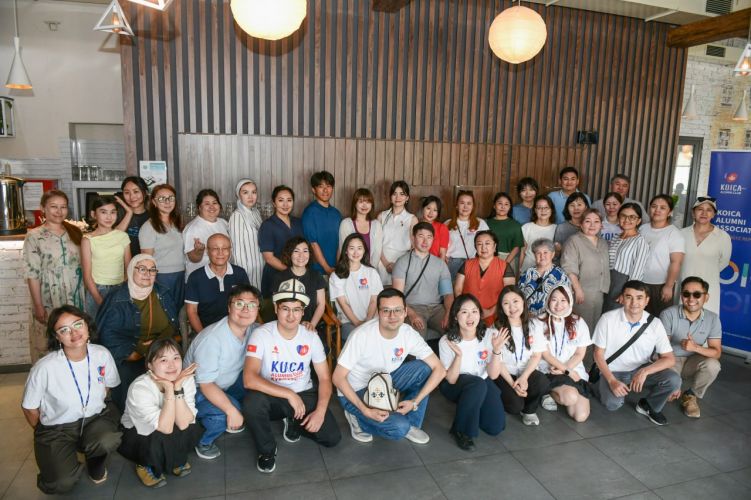
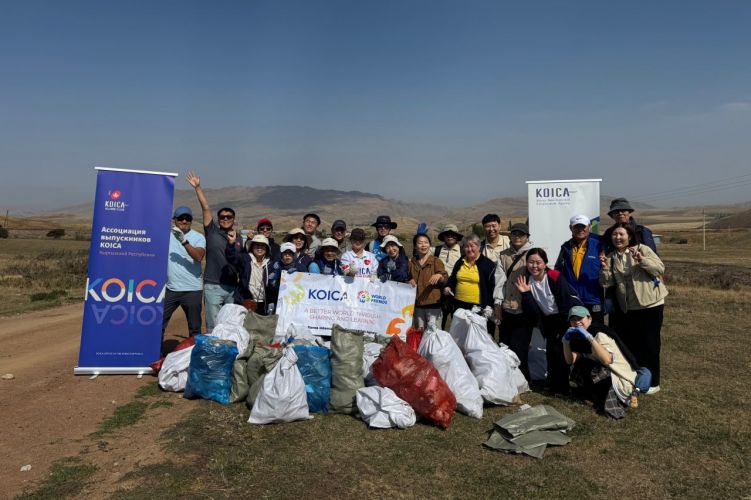
Regarding the development of cultural and humanitarian ties, Ambassador Kim Kwangjae also highlighted the work of KOICA volunteers in Kyrgyzstan.
«They work in schools, universities, youth organizations, and local communities, implementing various projects in areas such as the Korean language, education, sports, and youth development. As citizens of Korea and Kyrgyzstan learn each other’s languages and cultures in their daily lives, a deep sense of trust is forged—one that is difficult to build through state-level diplomacy alone. I believe that such mutual exchange represents the most human form of diplomacy, connecting the peoples of our two nations, and serves as a vital foundation for the future of relations between Korea and Kyrgyzstan,» the ambassador noted.
The diplomat also seeks to gain a better understanding of Kyrgyzstan’s culture through its cuisine.
«What I always appreciate about Kyrgyz cuisine is the culture of hospitality and the attentiveness shown to guests. Among local dishes, I am particularly fond of «kattama» and «samsa». The «samsa» sold at the Orto-Sai market is one of my absolute favorites. I also enjoy «morkovcha» (Korean-style carrot salad). It holds special significance for me because the dish is linked to the history and destiny of the Koreans of Central Asia. The more I learn about this dish, the more deeply I connect with the history, lives, and experiences of the Koryo-saram (ethnic Koreans). I look forward to exploring more local dishes and, through them, gaining an even deeper understanding of the culture and people of the Kyrgyz Republic,» the diplomat noted.
The Ambassador is convinced that Kyrgyzstan is focused on long-term development and expressed hope that mutually beneficial and trusting relations between the two countries will continue at the same pace, and the first Central Asia — Republic of Korea summit will give a new impetus to this cooperation.


