
President opens bean processing plant in Talas region
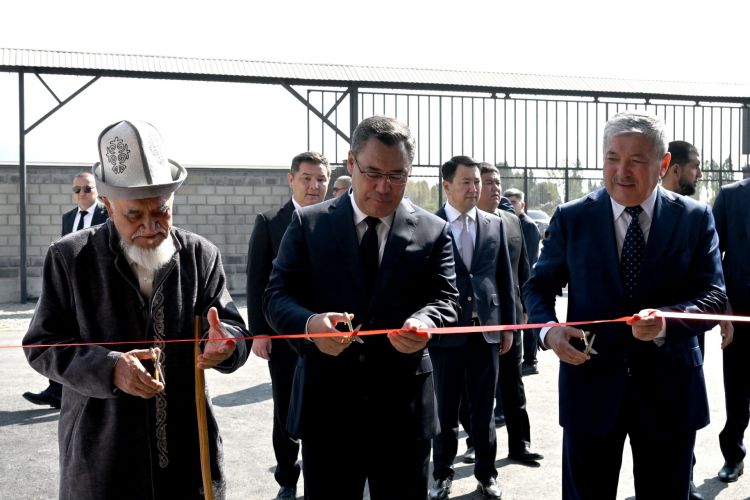
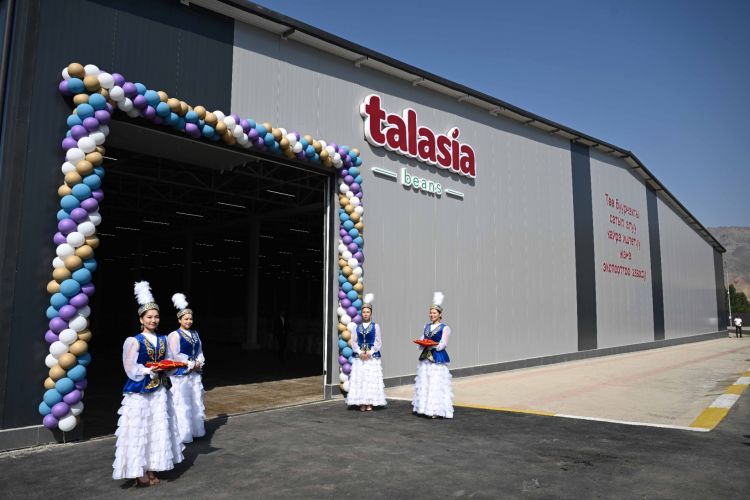
President of Kyrgyzstan Sadyr Japarov attended the opening of a bean processing plant in Bakai-Ata district during his working trip to Talas region. At the same time, 60 industrial facilities were launched online across the country.
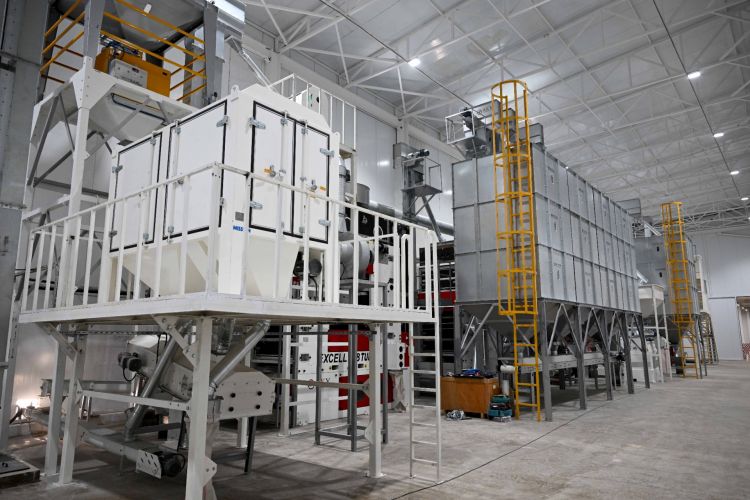
The plant’s construction attracted an investment of 200 million soms. Its production capacity is approximately 40,000 tonnes of beans per year. The facility has created 100 jobs.
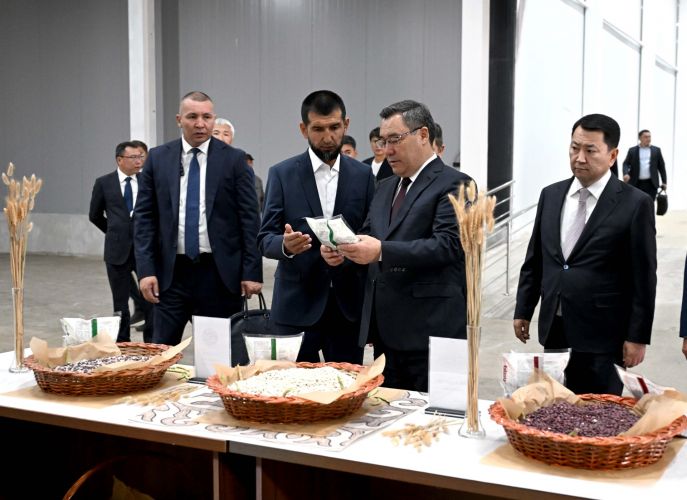
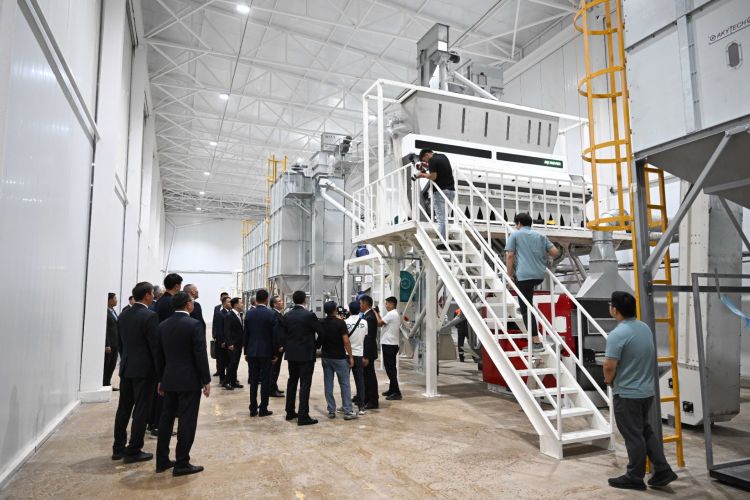
The enterprise is equipped with modern machinery, while product quality and safety are monitored in its own laboratory. Before the ceremony, Japarov inspected the plant’s infrastructure and finished products, then launched the production equipment.
According to him, for many years crops grown by farmers in Talas were mainly exported as raw materials. Establishing processing facilities makes it possible to produce finished goods domestically, create jobs and provide farmers with a stable market for their products.
«Where there is production, jobs emerge. And jobs mean higher family incomes, the development of the rural economy and expanded opportunities for local budgets,» Sadyr Japarov stressed.
He also noted that Kyrgyzstan continues to work on developing production, attracting investment, supporting entrepreneurship and creating new jobs.
On the same day, 60 industrial facilities were launched online across the country. They operate in the production of construction materials, logistics, agricultural processing, energy and other sectors.
Another 50 or so industrial facilities are expected to be launched by the end of the year. Their operations are expected to contribute to expanding the production of domestic goods, creating new jobs and increasing the country’s export potential.
Sadyr Japarov noted that the new enterprises are not projects launched solely to mark the 35th anniversary of the country’s independence, but the result of systematic efforts to revive and develop domestic production.
At the end of the event, Japarov met with residents of the region. They raised issues concerning rural development, support for agricultural producers, improvements to social infrastructure and the further development of local communities.


