
Kyrgyzstan to assess rehabilitation support for people with disabilities
Minister of Health of Kyrgyzstan Damir Osmonov and Minister of Labor, Social Security and Migration Kanat Sagynbaev held a working meeting to discuss improvement of rehabilitation services for people with disabilities.
According to the Ministry of Health, the discussions focused on ensuring continuity between expert assessment, medical rehabilitation and subsequent social support measures. In particular, the sides discussed the implementation of individual rehabilitation and habilitation programs (IRHPs).
The ministry emphasized that an IRHP developed after a disability is established should not be a formal document, but should be effectively used by medical organizations to determine an individual care pathway based on a person’s specific needs.
The medical rehabilitation system includes not only restorative treatment, but also medical care for patients with various conditions, as well as measures to prevent and reduce the risk of disability. Therefore, any changes to the organization of rehabilitation facilities require a comprehensive assessment and consideration of the interests of all patient groups.
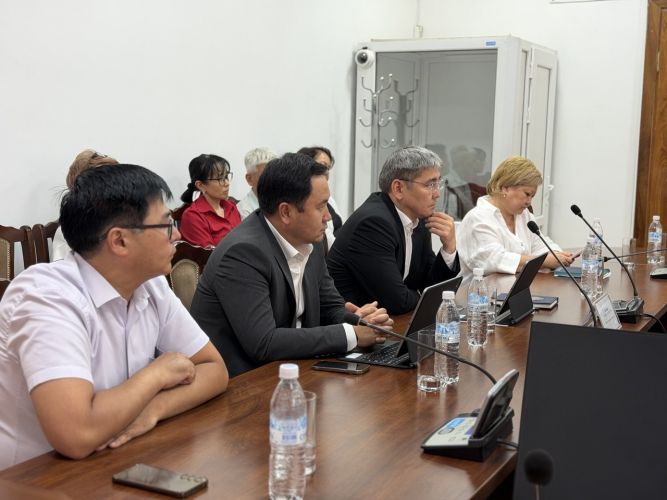
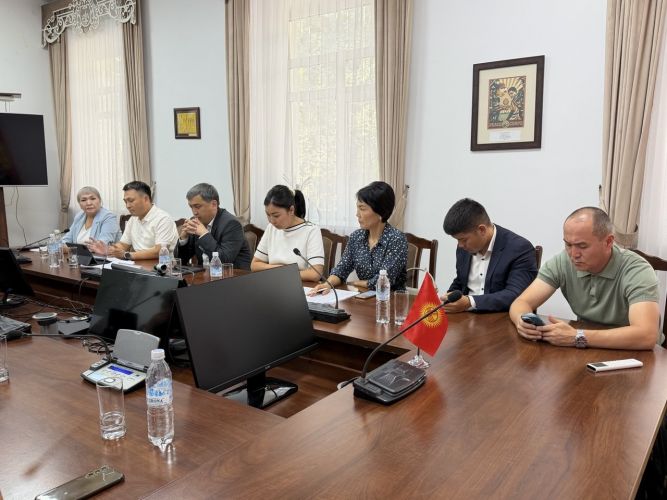
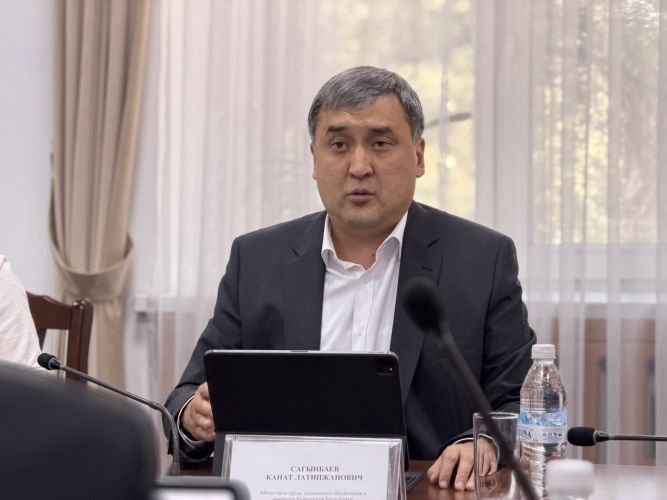
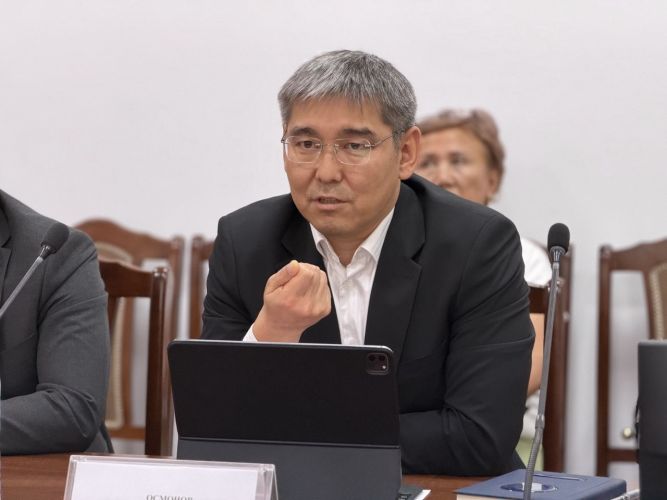
Following the meeting, the sides agreed to begin joint work by specialists from the two ministries in the near future.
They will assess the existing mechanisms, examine their strengths and weaknesses, and develop coordinated proposals to further improve the system.
The work will also include improving the regulatory and methodological framework for medical rehabilitation. Ministry of Health specialists are currently developing evidence-based standards for the provision of rehabilitation services.
The joint effort is aimed at improving the accessibility and quality of support for people with disabilities, ensuring continuity between medical and social services, and strengthening preventive measures to curb the growth in disability cases.
According to Ministry of Labor data, more than 218,000 people with disabilities lived in Kyrgyzstan in 2025, including more than 37,000 children.


