
Kyrgyzstan increases fuel reserves to about six weeks
Kyrgyzstan’s fuel and lubricant reserves have been increased from two to three weeks to approximately one and a half months. First Deputy Chairman of the Cabinet of Ministers Daniyar Amangeldiev said in an exclusive interview with 24.kg news agency.
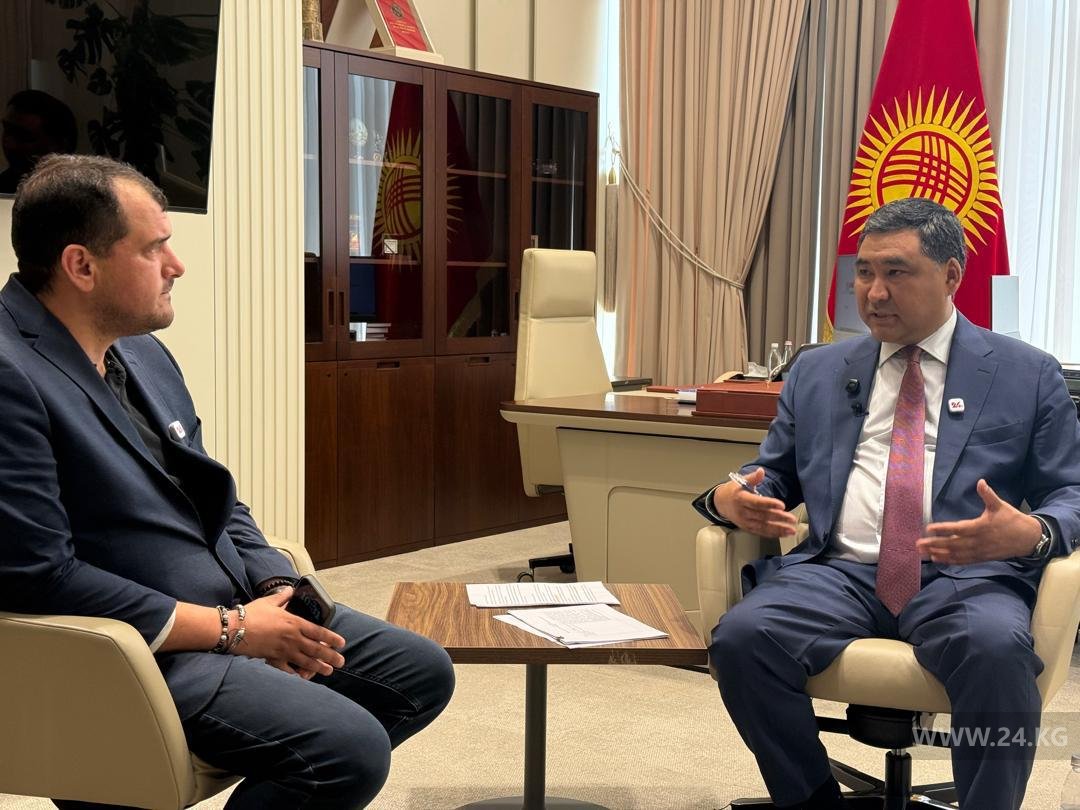
The shortage of petroleum products was caused by developments on the global energy market and disruptions at oil refineries in Russia. The Russian side temporarily restricted fuel exports in order to prioritize supplies for its domestic market.
Cabinet representatives traveled to Russia several times for negotiations. Moscow warned that the situation would remain challenging for the next one to two months, but reaffirmed its intention to further fulfill its supply commitments.
Daniyar Amangeldiev
Amid the restrictions, Kyrgyzstan began seeking alternative sources of fuel imports. Amangeldiev said the government has signed supply contracts with Belarus, while the first fuel shipments have already arrived from China.
«Starting next year, we plan to increase the volume of fuel supplies from the People’s Republic of China,» he said.
The government is also negotiating with Uzbekistan on the possibility of supplying crude oil for processing at Uzbek refineries and supplying the Kyrgyz market with finished products.
At the same time, Kyrgyzstan is discussing with Russia the supply of up to 200,000 tonnes of crude oil on preferential terms to keep domestic refineries operating. The government has also reached an agreement with Kazakhstan on fuel oil deliveries.
According to Amangeldiev, fuel oil is needed not only for petroleum processing but also to prepare for the upcoming autumn and winter season. In parallel, the authorities are working to secure coal supplies, settle outstanding debts, and ensure fuel deliveries to heating facilities.
He emphasized that alternative suppliers exist, but their fuel is more expensive than Russian fuel. Despite this, the government is prepared to purchase fuel at a higher price to avoid shortages on the domestic market.


