
Women in Kyrgyzstan: More than half of the population and live longer than men
Every year on March 8 many countries celebrate International Women’s Day. The holiday was officially recognized by the United Nations in 1975 and today symbolizes the struggle for women’s rights, equal opportunities, and international solidarity.
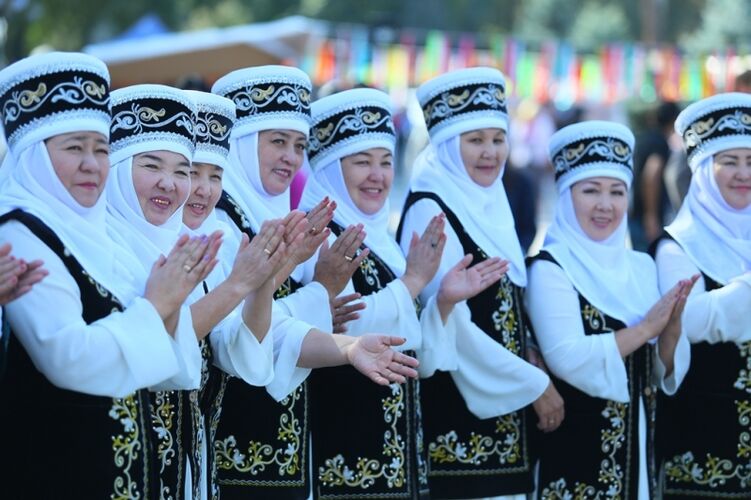
According to the National Statistical Committee of the Kyrgyz Republic, the population of Kyrgyzstan reached 7.4 million as of early 2026. Women make up slightly more than half of the population. Their average age is 30, compared to 28 for men.
Women in the country live longer on average than men. In 2024, life expectancy for women was 77 years, while for men it was 68 years.
One of the reasons for this gap is the higher mortality rate among men, which is about 1.6 times higher than among women.
The country’s relatively young population structure also affects marriage patterns. In 2024, more than 45,000 women in Kyrgyzstan got married, with 87 percent doing so for the first time. The majority of first marriages occur between the ages of 18 and 29, accounting for nearly 87 percent of women marrying for the first time.
The average age for a woman’s first marriage is 24, while the average age for remarriage is 35.
On average, a woman in Kyrgyzstan gives birth to about three children. Despite a decline in the number of newborns—from 158,000 in 2020 to 140,000 in 2024—the birth rate remains above the population replacement level, supporting continued population growth.
Women also play a significant role in the economy. In 2024, the employment rate among women of working age reached 48.7 percent, and the average age of employed women was 41. Women are most commonly employed in education, healthcare, social services, hospitality, and trade.
However, a gender pay gap persists. According to a 2025 survey, women’s average wages amount to 65.7 percent of men’s salaries, largely due to differences in the sectoral structure of employment.
Women also make up the majority in the education sector. At the beginning of the 2024/2025 academic year, about 87 percent of school teachers were women.
Female students also outnumber males in education. In 2024, women accounted for more than 58 percent of students in secondary vocational education and about 55 percent of university students.
Women devote a significant share of their time to household work. On average, they spend 4 hours and 40 minutes per day on domestic tasks—more than 19 percent of their time. For men, the figure is more than five times lower. Rural women spend about five hours a day on household duties, compared to around four hours in urban areas.
Despite their responsibilities at work and at home, women still find time for leisure. On average, they spend about 2 hours and 20 minutes per week on active leisure activities.


